I heard the phrase "the photographer's eye" recently and, because my brain does what it does, I went down a rabbit hole learning all about it.
And the more I read, the less it felt like I was reading about photography.
What is "The photographer's eye"? It's what happens when someone spends enough time behind a camera that they stop seeing the world the way everyone else does.
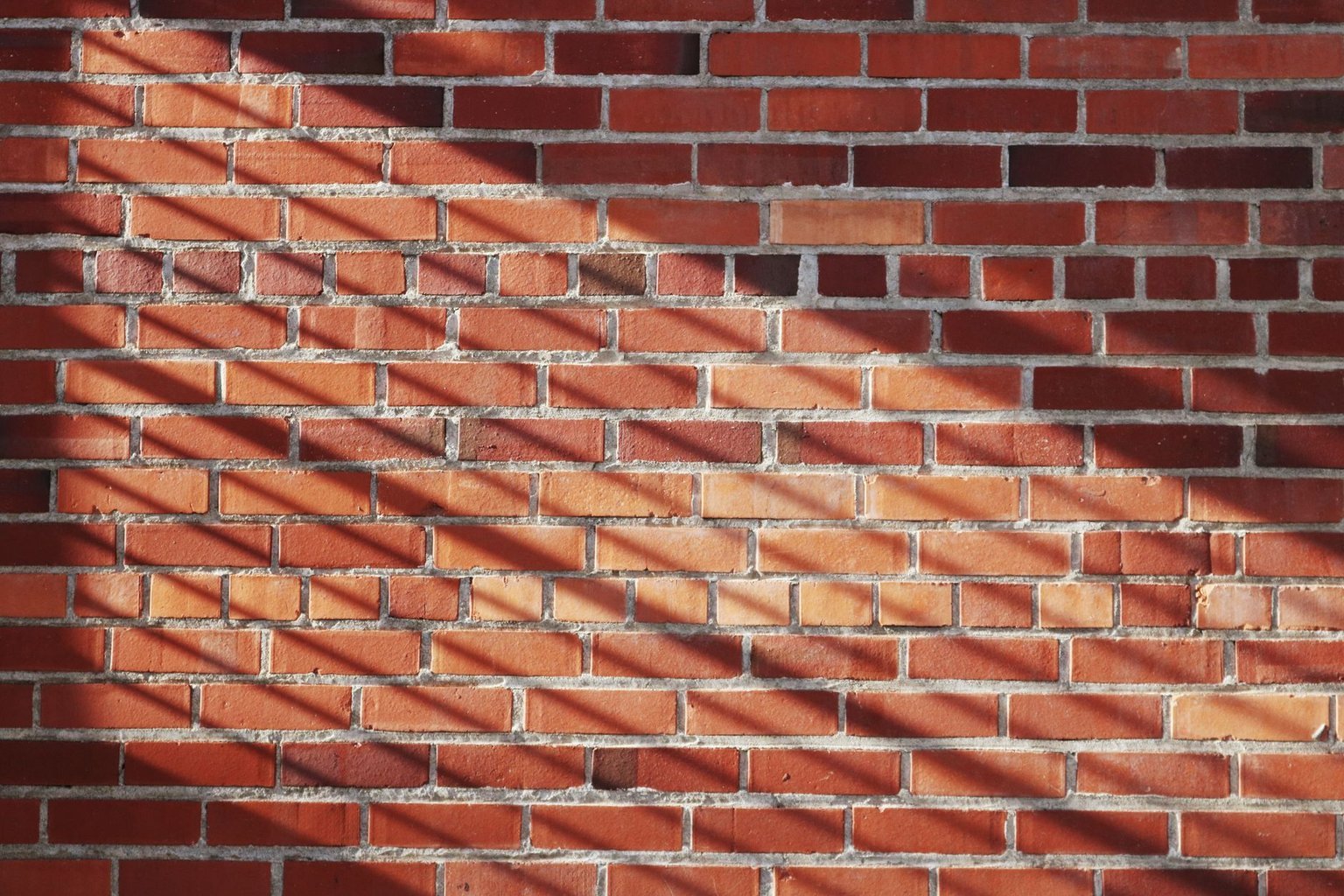
Morning light across a pile of bricks. Hidden shadows. Symmetry and patterns. Tiny human moments most of us walk right by.
All things that photographers have to consciously look for when they're new but that eventually, they can't not see.
The camera eventually completely changes the way they see the world even when they're not holding it.
And somewhere in that rabbit hole, I realized that that was very similar to how so many of us start to see things in midlife.
If you're anything like me, you went into adulthood thinking life was something that just kind of happened to you.
You go to school, get a good job, pay bills, raise kids, watch TV, repeat.
Then, for some reason, somewhere around midlife the script stops feeling as satisfying as it used to.
Maybe you finally accomplished what younger you thought would make you happy. Maybe you're realizing time isn't unlimited. Or maybe life has disappointed you enough for you to know that nobody's coming to hand you any of the answers.
Whatever the reason, you start looking at life a little different.
Instead of seeing a commute, maybe you notice that old man reading the same newspaper every morning.
Instead of seeing a boring Tuesday, maybe now you think about how you might only get about 1,500 more of them.
Instead of seeing your kids, maybe now you notice that they're quietly becoming adults.
And instead of seeing just another weekend, you wonder whether you're spending the Saturdays you have left the way you're gonna wish you had.
Psychologist Laura Carstensen developed something called socioemotional selectivity theory. Basically, when the future feels wide open, we tend to focus more on knowledge and possibility. When time starts feeling limited, emotional meaning moves closer to the center.
I mean, I realize we probably didn't need a theory to know the same life can look completely different at 50 than it did at 25.
The awesome part is, when you start seeing life this way, feeling stuck in midlife doesn't always have to mean you're having some kind of crisis.
Sometimes it just means your eye is changing.
The external world hasn't changed. You have.
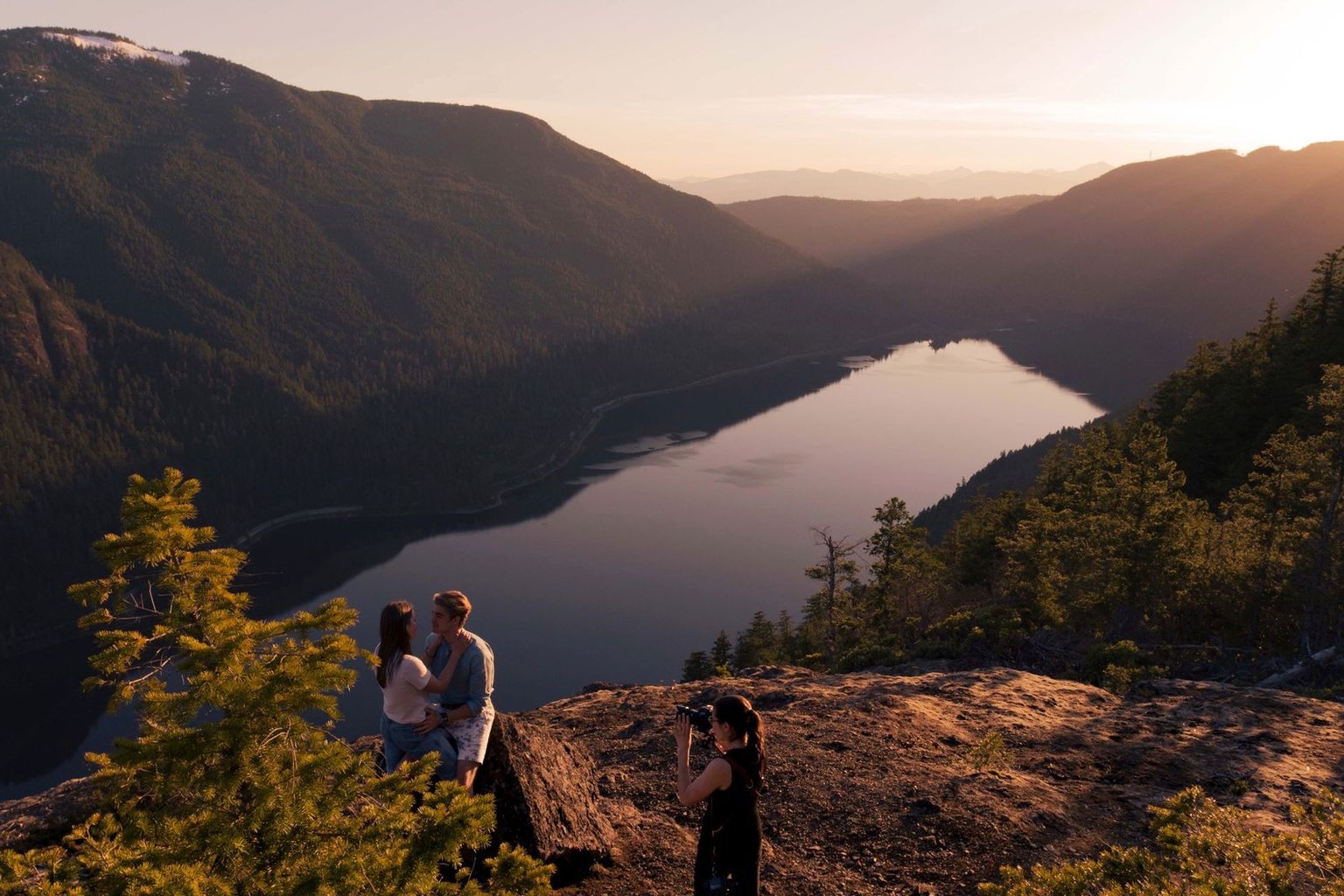
The photographer standing beside a tourist isn't seeing a different mountain. They're seeing two completely different possibilities.
Likewise, two 50-year-olds can have nearly identical lives.
One thinks, "My best years are behind me."
The other thinks, "I've finally learned what actually matters."
Same facts. Different lens.
And here's the part I keep thinking about.
Photography also forces you to be intentional.
You choose what belongs in the frame, what gets cropped out, what stays in focus, and what gets blurred into the background.
I feel like that's a pretty damn good metaphor for the second half of life if you ask me.
Your twenties are mostly about collecting things, right? Knowledge, experiences, etc.
Your forties and fifties? They become more about cropping out the things that aren't essential to the final picture.
Friendships? You start to ask which ones still belong in the frame.
Obligations? You evaluate which ones don't.
Goals? You look at which ones are your own and which ones you inherited from somebody else.
Attention? You're a lot more careful about what actually deserves the limited amount you have left.
In photography, a lot of great pictures show up after taking things away instead of adding them.
I'm finding the same to be more and more true of life the longer I get to live.
And photography has lessons on patience too.
Beginning photographers chase pictures. Experienced photographers wait for moments.
They know the light will change, the right expression will come, and forcing the shot usually ruins it.
Midlife can teach us the same kind of patience if we let it.
You stop trying to control everything…or at least you're learning to.
You become a lot more interested in seeing opportunities that are already in front of you and spend less energy trying to manufacture them yourself.
But, the last thing I learned down that rabbit hole is probably the one that got me the most: Great value is usually hidden in ordinary things.
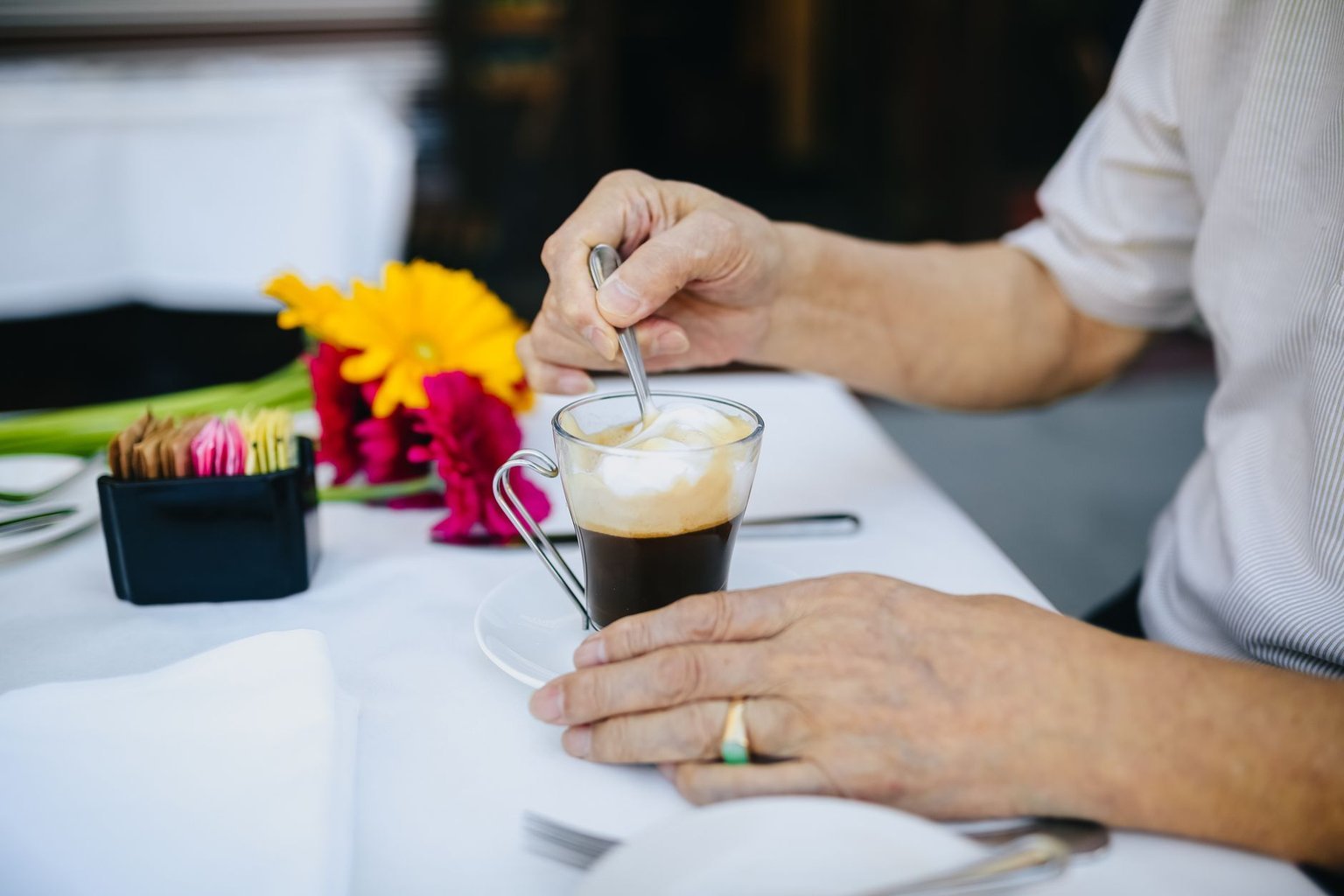
A cracked doorway. Rain on a window. An abandoned gas station. An old pair of hands.
Nothing extraordinary.
Just things noticed.
In my opinion, that's one of the greatest gifts of aging when we let it happen: the ability to find richness your younger self would've walked right by without even glancing at.
Maybe wisdom isn't actually about gaining more knowledge.
Maybe it's just about developing a better eye.
Just like a good photographer eventually can't stop seeing beauty, contrast, and stories, a person who embraces midlife will start seeing meaning, gratitude, and possibility in places they never noticed before.
The world hasn't become more interesting to me.
I've just become someone more capable of seeing it.
So what are you noticing now that younger you would've walked right past?
Hit reply and tell me.
I read them all.